Understanding Water Damage and Its Impact in Vancouver
In the vibrant city of Vancouver, water damage can present significant challenges for homeowners and property managers alike. Whether it stems from heavy rainfall, aging plumbing, or unexpected leaks, the consequences of water damage can be devastating. It’s crucial to understand the urgency of addressing such damage promptly to prevent further complications, including mold growth and structural deterioration. For residents and businesses in Vancouver, seeking professional assistance through Water Damage Restoration Vancouver is essential to safeguard their properties and ensure a swift recovery.
What is Water Damage Restoration Vancouver?
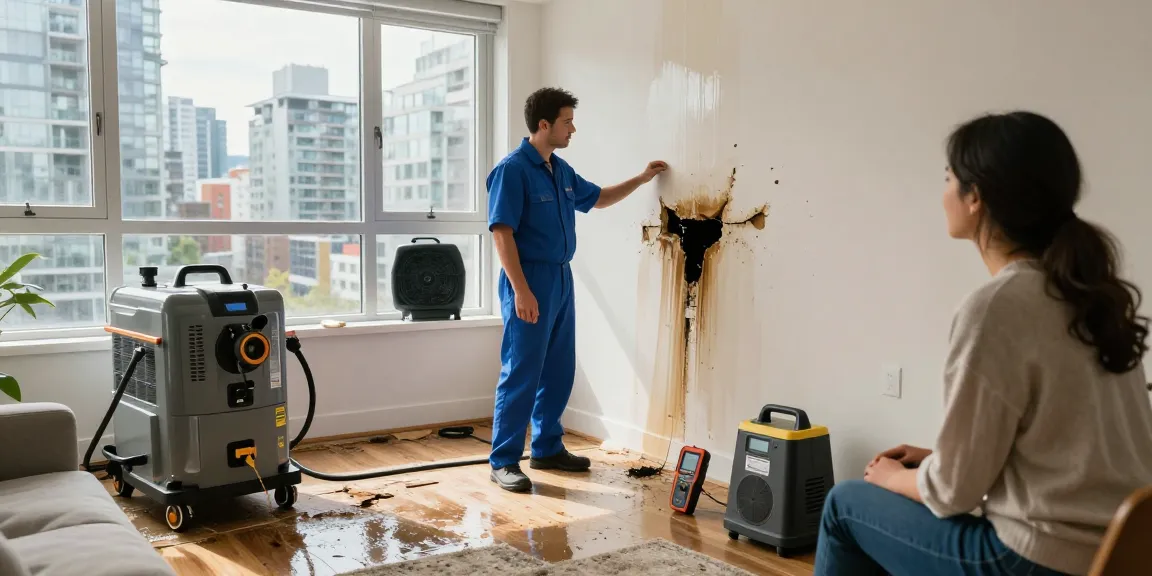
Water damage restoration is a comprehensive process aimed at returning a property to its pre-damage condition. In Vancouver, this service is crucial for effectively mitigating the negative effects of water intrusion, whether from natural disasters or plumbing failures. The restoration process typically involves water extraction, drying, sanitization, and repair, utilizing advanced equipment and techniques to ensure thorough and safe restoration.
Common Causes of Water Damage in Vancouver Homes
- Burst Pipes: Sudden failures in plumbing can release large volumes of water, leading to significant damage.
- Roof Leaks: Aging roofs can allow water to seep into homes, especially during Vancouver's rainy seasons.
- Appliance Leaks: Dishwashers, washing machines, and other appliances can malfunction, causing slow leaks that may go unnoticed until substantial damage occurs.
- Basement Flooding: Heavy rainfall can overwhelm drainage systems, flooding basements and ground levels.
- Toilet Overflow & Sewage Backups: These situations require immediate attention due to health risks associated with contaminated water.
Emergency Response: Why Time Matters
In the case of water damage, time is of the essence. Delays in addressing the issue can lead to extensive damage, including mold growth and structural instability. Emergency response teams, such as VR PLUS Restoration, offer 24/7 services to ensure rapid assistance. Their certified professionals are equipped to act quickly, extracting water and beginning the drying process to mitigate long-term effects.
Identifying the Early Signs of Water Damage
Common Warning Signals of Water Damage
Recognizing the early signs of water damage can save homeowners substantial repair costs. Look for the following warning signals:
- Discoloration of Walls and Ceilings: Yellow or brown stains may indicate water intrusion.
- Peeling Paint or Wallpaper: This can occur as moisture accumulates behind surfaces.
- Musty Odors: These odors often indicate mold growth, which can thrive in damp environments.
- Damp or Wet Carpets: Noticeable moisture in carpets can hint at hidden leaks.
How to Conduct a Home Inspection for Water Damage
Performing regular inspections of your property can help catch water damage early. Homeowners should:
- Check for visible signs of water damage in basements, under sinks, and around appliances.
- Inspect roofing and gutters for blockages or damage that could lead to leaks.
- Look for cracks in the foundation that may allow water intrusion.
- Monitor water bills for unexplained increases, which may suggest hidden leaks.
Long-Term Effects of Ignoring Water Damage
Neglecting water damage can have dire consequences. Over time, untreated moisture can lead to:
- Structural Damage: Wood rot and weakened foundations can compromise a building's integrity.
- Mold Growth: Mold can pose serious health risks and require costly remediation.
- Decreased Property Value: Damage to flooring, walls, and ceilings can lower the value of a home.
The Water Damage Restoration Process Explained
Step-by-Step Overview of the Restoration Process
The water damage restoration process includes several critical steps:
- Assessment: Professionals evaluate the extent of the damage and identify the source.
- Water Extraction: Using powerful pumps, they remove standing water.
- Drying and Dehumidification: Advanced equipment is used to dry out affected areas and materials.
- Cleaning and Sanitizing: Contaminated items are cleaned thoroughly to eliminate pathogens.
- Repairs: Any necessary repairs or restoration work is completed to restore the property.
Equipment Used in Water Damage Restoration Vancouver
Restoration specialists in Vancouver utilize a variety of professional-grade equipment to ensure effective water damage restoration:
- Industrial Dehumidifiers: These devices remove excess moisture from the air.
- Air Movers: High-velocity fans help speed up the drying process.
- Water Extractors: Powerful tools used to remove large quantities of standing water.
- Moisture Meters: Used to detect hidden moisture levels in structures.
- Infrared Cameras: Help identify water intrusion and hidden leaks.
Cleaning and Deodorizing: What’s Involved?
After the initial water extraction, cleaning and deodorizing are essential to eliminate odors and pathogens. This involves:
- Using specialized cleaning agents designed to sanitize affected areas.
- Cleaning carpets, upholstery, and personal belongings to prevent mold growth.
- Implementing odor removal techniques to ensure the space is safe and pleasant.
How to Choose the Right Water Damage Restoration Specialist
Qualifications to Look for in a Restoration Company
Choosing the right restoration company is vital for effective recovery. Look for the following qualifications:
- IICRC Certification: This ensures technicians are trained in proper restoration techniques.
- Experience: A company with a proven track record will likely offer better service.
- Insurance and Licensing: Ensure the company is fully insured and licensed to operate in your region.
Customer Reviews and Ratings: What They Reveal
One of the best ways to assess a restoration company is through customer feedback. Look for:
- Overall satisfaction ratings.
- Comments regarding response times and professionalism.
- Feedback about the effectiveness of the restoration services.
Understanding Costs: What You Should Expect
Water damage restoration costs can vary based on several factors, including:
- The extent of the damage.
- The size of the area affected.
- The type of restoration required (e.g., minor repairs vs. major reconstruction).
It's advisable to obtain a detailed estimate before agreeing to any services to prevent unexpected costs.
Insurance and Water Damage: What You Need to Know
How to File a Claim for Water Damage
Filing an insurance claim for water damage involves several steps:
- Document the damage with photographs and a written description.
- Contact your insurance provider to report the damage.
- Submit any required paperwork and cooperate with the adjuster.
Understanding Insurance Coverage for Restoration Services
Many homeowners insurance policies cover water damage restoration, but coverage can vary widely. It’s important to understand what is included in your policy, such as:
- Types of water damage covered (e.g., sudden vs. gradual).
- Limits on coverage amounts.
- Deductibles that may apply.
Expert Tips for Navigating the Insurance Process
To facilitate a smoother claims process, consider these expert tips:
- Keep detailed records of all communications with your insurance company.
- Follow up regularly to check on the status of your claim.
- Work closely with your restoration company to provide documentation needed for claims.
What Does Water Damage Restoration Cost?
The total cost for water damage restoration can vary widely. On average, homeowners might expect to pay between $1,000 to $4,000, depending on the severity of the damage. More extensive repairs, especially those involving structural work or mold remediation, can escalate significantly. Always seek a detailed estimate and understand the costs involved before the work begins.
How Can Homeowners Prevent Future Water Damage?
Preventing water damage is crucial for protecting your home. Consider the following preventative measures:
- Regularly inspect and maintain plumbing systems.
- Check roofs and gutters for damage and clear debris.
- Ensure proper drainage around the foundation of your home.
- Install sump pumps in basements prone to flooding.
What Resources Are Available for Emergency Preparedness?
Being prepared for potential water emergencies can significantly mitigate damage. Homeowners should consider:
- Having an emergency kit that includes essential supplies.
- Creating an emergency contact list, including restoration services.
- Staying informed about weather conditions that could pose risks.