The Evolution of Local Appliance Repair Services
Local appliance repair has undergone significant transformations to keep pace with the rapid advancements in technology and changing consumer needs. Today’s households rely heavily on appliances for comfort and efficiency, making it imperative that repairs are both timely and effective. From early days of home repair to innovative solutions used today, the landscape of appliance repair continues to evolve. In this article, we will explore the historical context, modern innovations, and the overall impact of these services on household efficiency.
Historical Overview of Appliance Repair
The roots of appliance repair can be traced back to the late 19th century when household appliances began to emerge. Early devices such as the washing machine and refrigerator were revolutionary, providing convenience but also presenting challenges when they malfunctioned. Initially, repairs were often DIY or handled by the appliance manufacturers' representatives. Over time, local repair technicians began to establish their presence, offering more accessible and personalized services. By the mid-20th century, the need for specialized technicians grew as appliances became more complex.
Modern Innovations in Repair Techniques
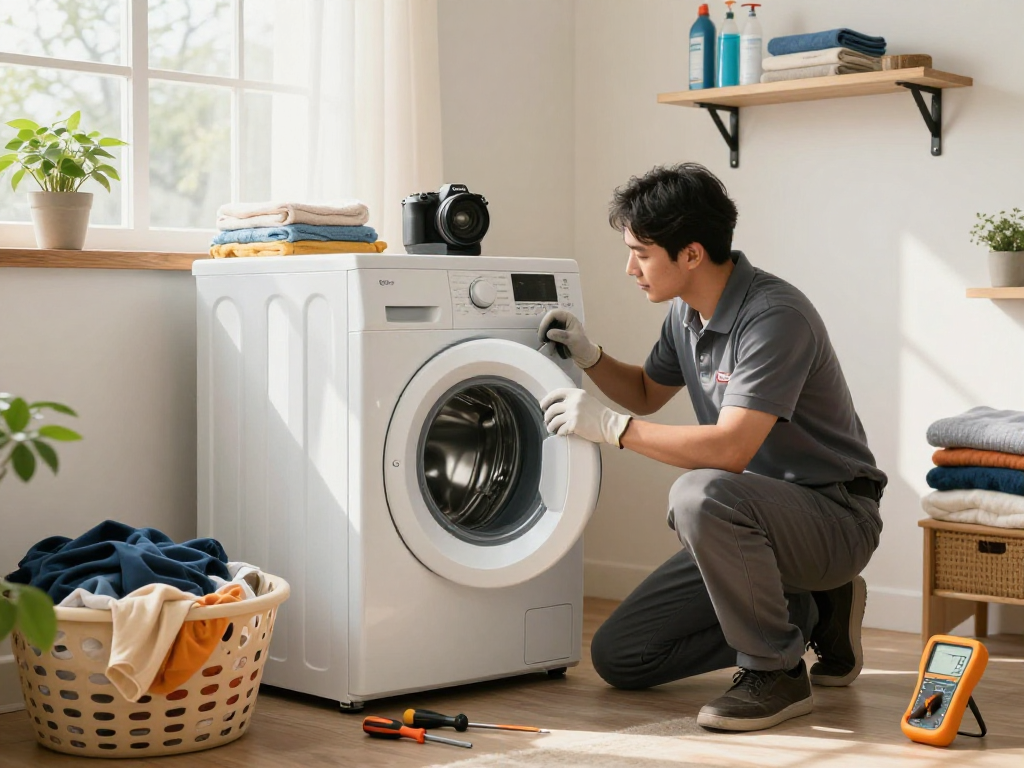
With the advent of smart appliances and digital technology, modern repair techniques have also evolved. Technicians are now equipped with tools that allow them to diagnose issues remotely and efficiently, often using mobile apps to streamline services. Additionally, the integration of IoT (Internet of Things) technology enables appliances to report their own problems, making troubleshooting quicker and more accurate. This evolution not only enhances the speed of repairs but also reduces the frequency of breakdowns, leading to improved customer satisfaction.
Impact on Household Efficiency
The evolution of appliance repair has had a profound impact on household efficiency. Reliable appliances mean families can manage their schedules more effectively, as they are not burdened by unexpected breakdowns. Moreover, local appliance repair services provide personalized solutions that cater to individual household needs, maximizing the utility of every appliance. As a result, families can enjoy greater peace of mind, knowing that help is just a call away, ensuring the smooth operation of their essential home devices.
Essential Skills for Appliance Repair Technicians
For those considering a career in local appliance repair, a blend of technical expertise and soft skills is crucial. Technicians must navigate various challenges daily, and their ability to adapt to unique situations is paramount. As the industry continues to grow, understanding what makes a competent appliance repair technician is essential.
Technical Knowledge and Training Requirements
Technical knowledge is the backbone of an effective appliance repair technician's skill set. Most technicians must have completed formal training, which often includes diplomas or certifications from accredited programs. Topics covered typically include electrical systems, appliance mechanics, and troubleshooting techniques. Additionally, staying updated on the latest appliance technologies and repair methods is vital for success in the field.
Soft Skills: Communication and Customer Service
Beyond technical skills, effective communication and customer service are indispensable in local appliance repair. Technicians often interact directly with customers, explaining issues in layman's terms while providing reassurance and clarity. Good customer service can lead to repeat business and word-of-mouth referrals, which are essential for local service providers' success.
Certifications and Licensing Standards in 2026
As of 2026, many regions require appliance repair technicians to hold specific certifications or licenses to ensure quality service. These standards may vary, but they typically include background checks, proof of training, and continued education requirements. Such regulations aim to protect consumers and enhance the reputation of the repair industry, making it crucial for technicians to keep abreast of changes in licensing laws.
Common Household Appliances and Their Issues
Households utilize a variety of appliances daily, each susceptible to unique issues. Understanding these common failures can empower homeowners to take proactive measures and recognize when it’s time to call for help.
Understanding Common Appliance Failures
Common household appliances such as refrigerators, washers, and dryers often experience specific issues that can disrupt daily life. For example, refrigerators may struggle with cooling due to faulty thermostats, while washing machines might fail to drain due to clogged hoses. Recognizing these signs early can save homeowners time and money.
Maintenance Tips for Key Appliances
Regular maintenance can significantly extend the life of household appliances. Here are some essential tips:
- Refrigerators: Clean condenser coils every six months and check door seals for any air leaks.
- Washing Machines: Use the right detergent and regularly clean the lint trap to prevent clogs.
- Ovens: Regularly inspect and clean burners to ensure proper functioning.
Signs It’s Time to Call a Local Appliance Repair Service
Homeowners should be attuned to warning signs that indicate when professional help is needed. These may include unusual noises, leaking fluids, or error codes on digital displays. When exploring options, local appliance repair services can often provide timely solutions tailored to specific issues, ensuring appliances are up and running as soon as possible.
Benefits of Choosing Local Over National Repair Services
The decision to choose local appliance repair services over national chains can significantly influence overall customer satisfaction and service quality. One of the primary advantages lies in the personal touch that local providers can offer.
Personalized Customer Experience
Local repair technicians understand their communities and often forge personal relationships with customers. This leads to a more tailored experience, as they are familiar with common issues specific to local households. Such an intimate knowledge base allows for faster diagnosis and repair, enhancing the overall consumer experience.
Supporting the Local Economy
By choosing local services, consumers contribute positively to their economies. Local businesses reinvest their profits into the community, fostering economic growth and sustainability. This practice not only benefits the community but also helps build a stronger local network of service providers.
Faster Service and Response Times
Local repair services often boast shorter wait times due to their proximity and smaller service areas. In many cases, technicians can arrive the same day, which is invaluable during appliance emergencies. This level of responsiveness can lead to quicker resolution of issues, minimizing disruption to daily life.
Future Trends in Appliance Repair: What to Expect by 2026
As we progress towards 2026, the appliance repair industry is poised for remarkable changes influenced by technology, sustainability, and customer preferences. Understanding these trends can help homeowners prepare for the future of appliance maintenance.
Technological Advancements Impacting Repair Processes
The continued incorporation of smart technologies into appliances will significantly change repair processes. Technicians will rely on data from appliances to conduct diagnostics more effectively, often resolving issues remotely. This shift will reduce the need for physical service calls, saving both time and resources.
Sustainability and Eco-Friendly Practices in Repairs
As sustainability becomes a priority for consumers, local appliance repair services are adapting by adopting eco-friendly practices. This includes using environmentally safe repair materials and promoting the repair over replacement philosophy. Such efforts not only appeal to eco-conscious consumers but also contribute to a reduction in waste and resource consumption.
The Role of Smart Appliances in Future Services
Smart appliances with AI capabilities are set to revolutionize the industry by providing real-time updates and troubleshooting advice. This integration allows users to manage their appliances proactively, potentially reducing repair costs while increasing convenience. In the near future, consumers may find that many issues can be detected and resolved without direct technician involvement.
What are the benefits of local appliance repair services?
Local appliance repair services provide advantages such as personalized customer care, quicker response times, and support for the local economy. These benefits contribute to a seamless repair experience, ensuring that household appliances remain functional and efficient.
How can I maintain my appliances to extend their life?
Regular maintenance, such as cleaning filters, checking seals, and establishing a cleaning schedule can significantly prolong the lifespan of appliances. Performing minor repairs promptly also prevents more extensive issues from arising.
What should I look for in a qualified repair technician?
When selecting a repair technician, look for qualifications such as certifications, references, and customer reviews. For more information, washer repair Aurora offers valuable insights. A good technician should possess both technical skills and strong communication abilities, ensuring a satisfactory service experience.
Are local appliance repair services more cost-effective?
In many cases, local appliance repair services can be more cost-effective than national chains due to lower overhead costs and their ability to tailor services to community needs. This local approach often results in more competitive pricing and superior customer service.
What emerging technologies are shaping the future of appliance repair?
Emerging technologies such as machine learning, AI, and enhanced connectivity are influencing appliance repair. These advancements facilitate better diagnostic tools and predictive maintenance, allowing technicians to address issues before they escalate into major problems.